


Non-duality, often referred to as Advaita in Hindu philosophy, is a profound spiritual concept that encompasses a wide range of teachings and practices. At its core, non-duality points to the fundamental understanding that there is an underlying unity or oneness that pervades all of existence, transcending the apparent duality and multiplicity that we perceive in the world. Non-duality challenges the conventional notion of reality as being composed of separate and distinct entities, whether they are objects, beings, or concepts. Instead, it suggests that these apparent divisions are illusory and that there is a deeper, unified essence that underlies all phenomena. Non-duality recognizes that our perception of separation is a result of our limited understanding and conditioned ways of thinking. In the context of non-dual philosophy, the term "non-dual" is derived from the Sanskrit word "Advaita," which literally means "not two" or "not dual." It emphasizes the inherent unity between the individual self (jiva) and the ultimate reality (Brahman) or consciousness. According to non-dual teachings, the individual self, which is often identified with the body, mind, and ego, is ultimately an expression or manifestation of the same underlying reality that encompasses everything. Non-duality invites us to look beyond the surface-level appearances and to inquire into the nature of our own experience. It encourages us to question our assumptions, beliefs, and concepts in order to discover the truth of our own being. It suggests that by investigating the nature of our thoughts, emotions, sensations, and perceptions, we can arrive at a direct experience of the non-dual reality. Practices such as self-inquiry, meditation, and contemplation are often employed to facilitate this process of self-discovery. By turning our attention inward and examining our subjective experience, we can begin to unravel the layers of conditioning and identification that perpetuate the illusion of separation. Non-dual philosophy asserts that the realization of non-duality is not something to be achieved or attained, but rather a recognition of what is already and always present. It is a shift in perception that reveals the underlying unity and interconnectedness of all things. This realization is said to bring about a profound sense of peace, freedom, and liberation, as one recognizes their essential nature as pure consciousness or awareness. In summary, non-duality is a spiritual philosophy that points to the inherent unity of all existence. It challenges the conventional understanding of reality as separate and encourages a direct exploration of one's own experience to discover the truth of one's being. By transcending the limitations of duality and recognizing the underlying oneness, non-duality offers a transformative understanding that can profoundly impact one's perception of oneself, others, and the world.

Experiencing a yoga retreat is a terrific opportunity to unwind, conduct some self-discovery, and, of course, advance your yoga practice. However, with hundreds of retreats springing up all over the world, picking which one is best for you might be difficult. Whether you're just starting out on your yoga journey or have years of expertise, here are some things to ask to ensure you're picking the appropriate retreat for you.

There are various misconceptions about yoga that indicate it is only for individuals who are already athletic, flexible, and youthful. We're here to dispel the myths about yoga that keep many individuals from even stepping onto a mat.

Your thoughts and feelings are just forms of energy, like everything else in the universe. Simply put, everything you do creates inverse energy that eventually finds its way back to affect you. It is thought that following the karma laws will help you become aware of the effects of your actions and deeds and lead a prosperous life. You should view the laws of karma as guidelines to follow in your life in light of this. The below-mentioned twelve karma principles help you comprehend how it works and how to create good karma for yourself. Now, let's examine what these laws are...

Yoga Nidra meditation relieves stress and anxiety while also providing a sense of deep relaxation and mindfulness. It is a type of meditation in which you sleep consciously in order to achieve a state of silence, tranquility, and clarity inside yourself. This type of meditation is more potent than sleep since it thoroughly repairs your body and mind by intentionally calming them.
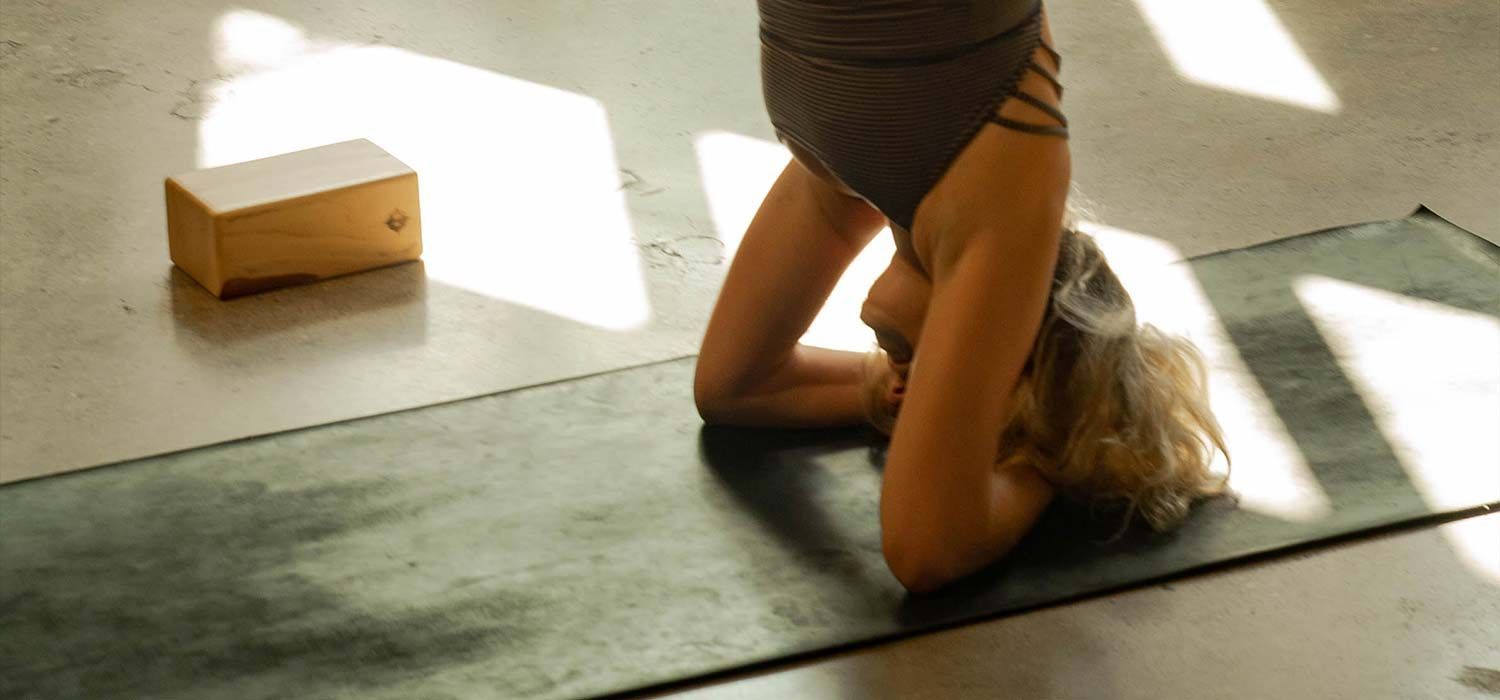
You'll never understand how fantastic yoga feels unless you've experienced it for yourself. The only way to get into something like yoga is to get up and do it. It takes a little effort to get into a groove, but once you do, it's difficult to break out of. I've developed a list of resources to assist you in establishing and maintaining you're practice. Whether you practice yoga or not, these pointers can help you attain your objectives.
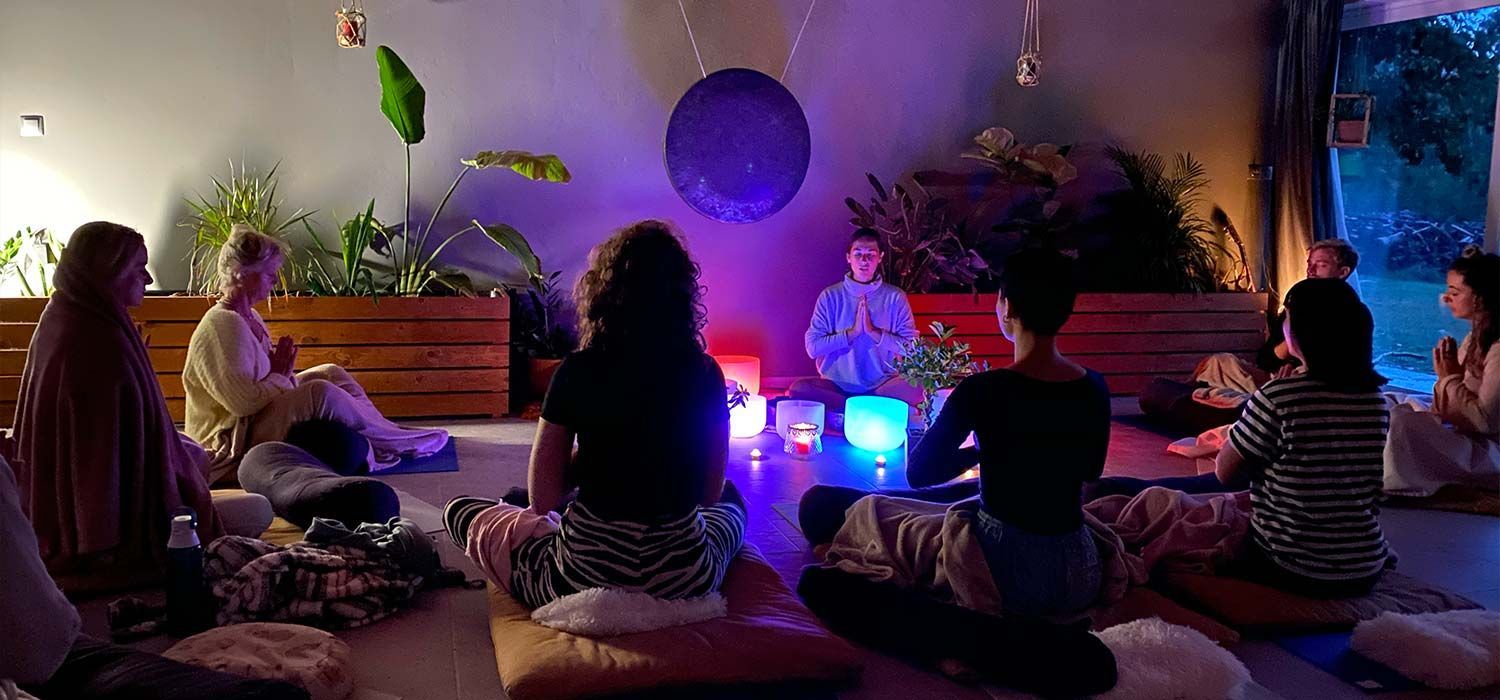
Imagine lying comfortably on a yoga mat, wrapped in a blanket, eyes closed, with nothing to do and nowhere to be. As the first sounds begin to fill the room, something starts to shift. The mind gradually becomes quieter. The body softens. Attention moves away from the endless stream of thoughts and settles into the simple experience of listening. This is the essence of a Sound Bath. Despite its name, there is no water involved. A Sound Bath is a deeply relaxing meditative experience in which you are "bathed" in sound. Instruments such as crystal singing bowls, gongs, chimes, and other resonant instruments create layers of vibration that invite the nervous system to slow down and the mind to become still. Unlike many meditation practices, there is no technique to learn and no effort required. You simply lie down, listen, and allow the sounds to wash over you.
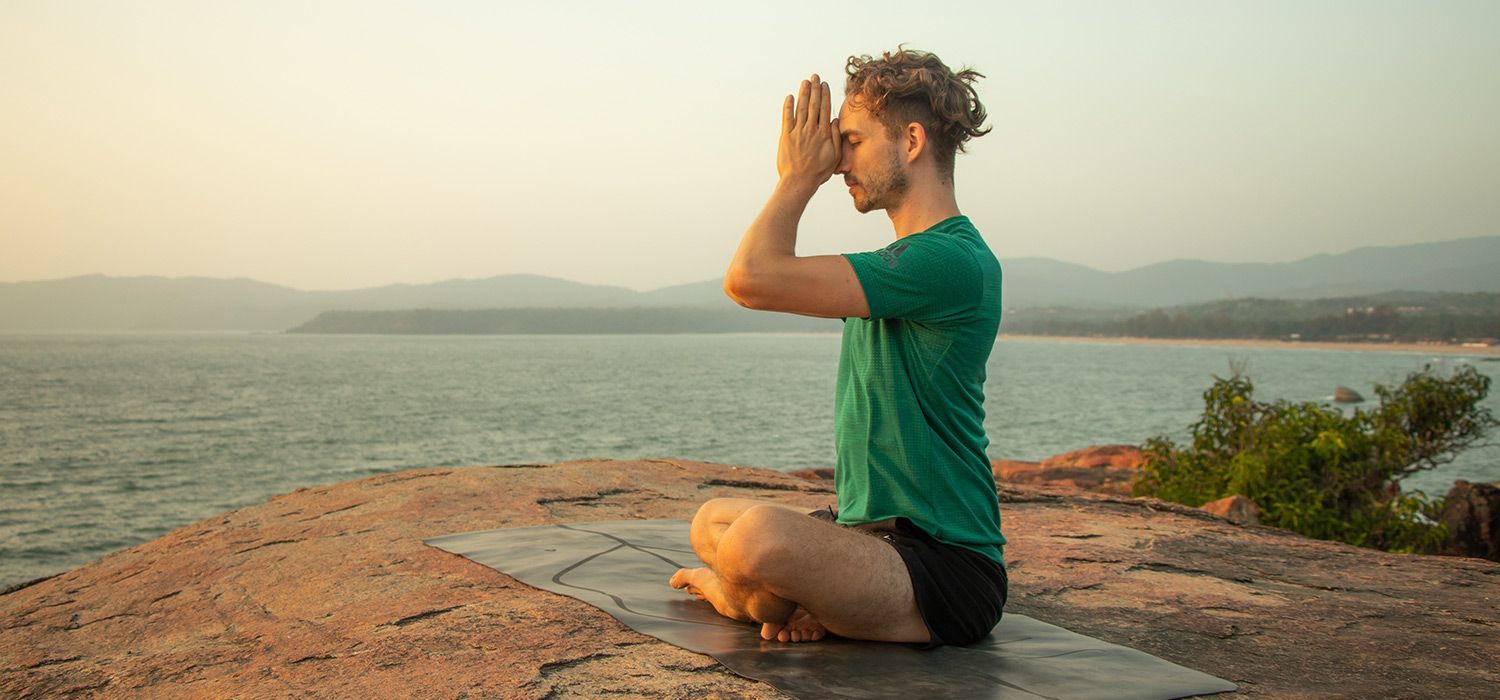
If you are looking for the meaning of Sanskrit words, it means you are interested in Indian culture or are learning yoga. Today, we will discuss a few words that you will come across on your yogic journey.
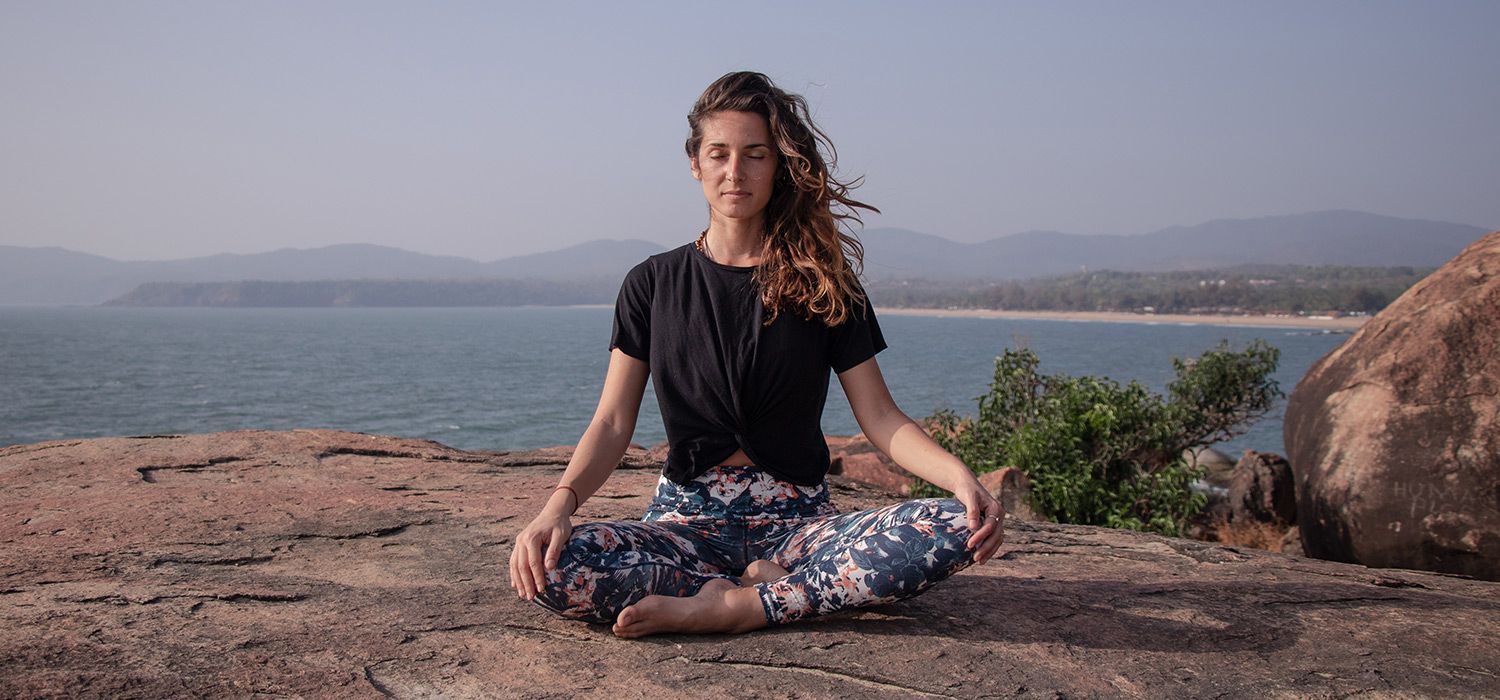
Our bodies are amazing; we can go for prolonged periods without food, water, or even sleep; however, we cannot survive without breating. But how much attention and consideration do we pay to this crucial function? Do we fully comprehend the significance of breathing for both our mental and physical well-being? So today we are going to discuss a few aspects of it...
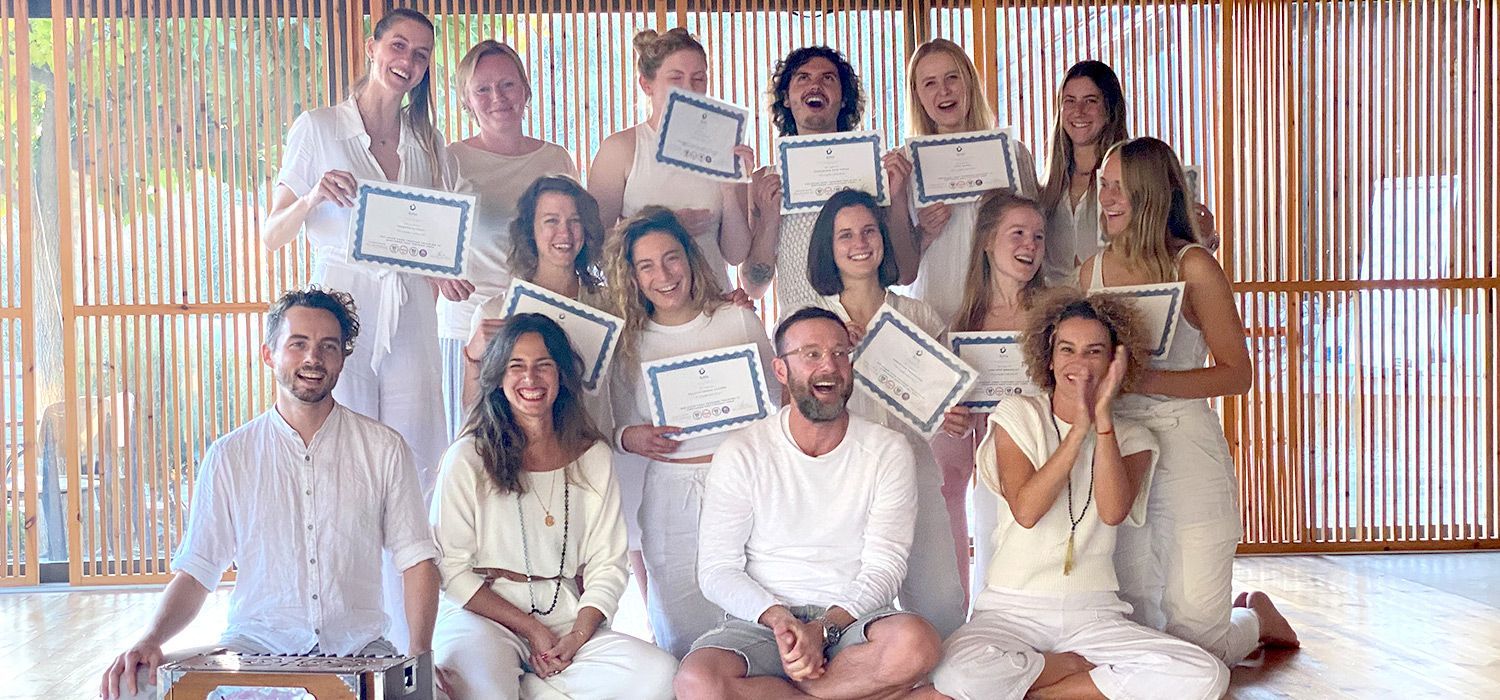
WHERE TO START your yoga teacher Journey?

